
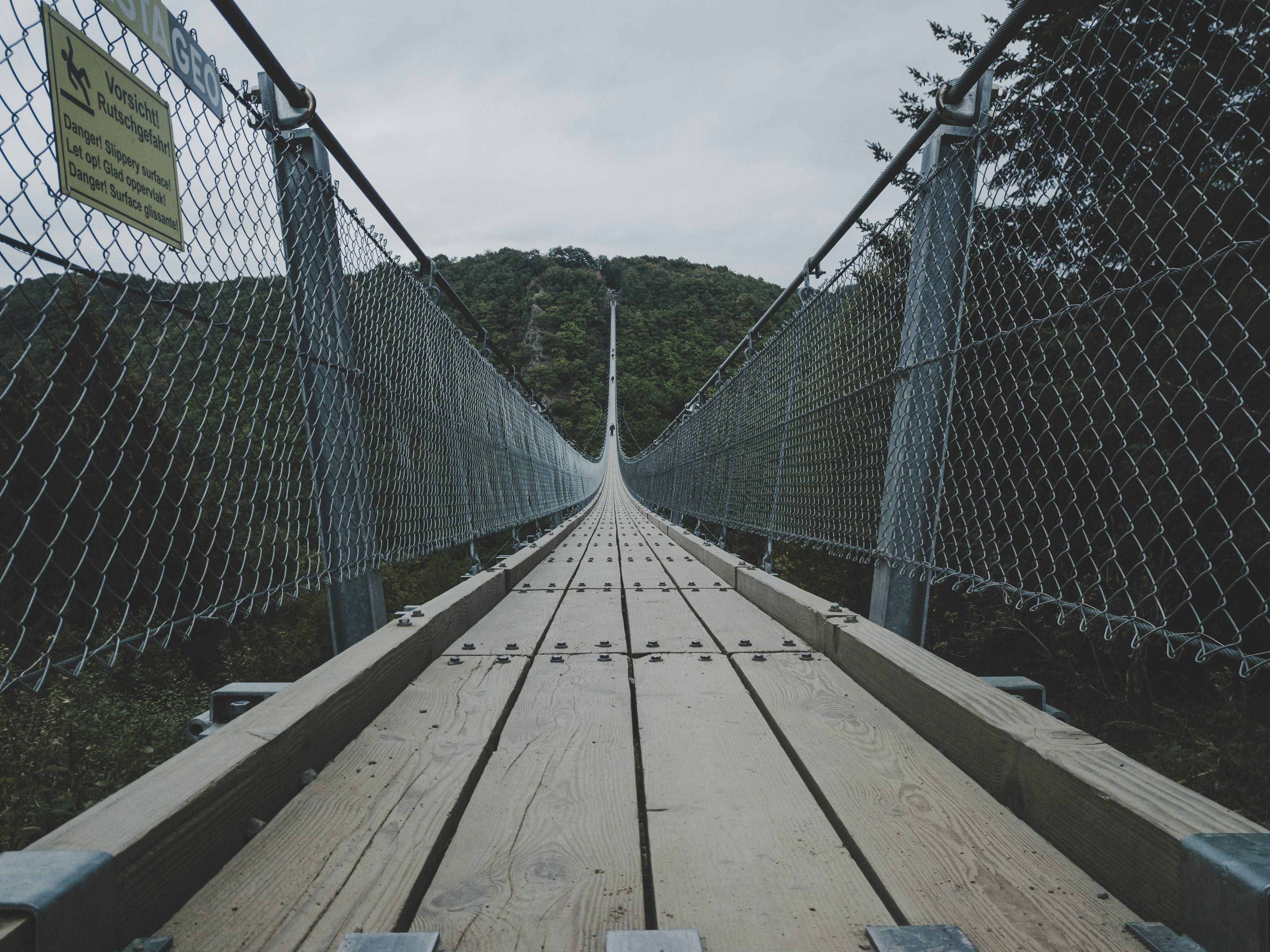
Developing cross-border initiatives helps attract visitors and foster cultural exchange
Cross-border experience design enhances tourism by creating opportunities for transnational collaboration and cultural exchange, attracting a wider range of visitors and enriching local narratives. By participating in events and initiatives that span national or regional boundaries, communities can share traditions, products, and stories beyond their immediate context. These connections not only strengthen tourism appeal through diverse, shared experiences but also build lasting partnerships that support mutual understanding and economic cooperation across borders.
Practical applications
In Hungary, the Romama Social Cooperative is fostering transnational cooperation by participating in festivals and market events in Slovakia with a mobile buffet that combines gastronomy and music. This initiative not only promotes cultural exchange but also strengthens cross-border ties through shared experiences. Researchers and cultural managers are actively involved, contributing to the initiative’s development and helping to ensure its cultural and social impact.
Ireland’s strong diaspora tourism offering is rooted in deep local knowledge and a strong sense of place. Building on this foundation, efforts are underway to develop more immersive and meaningful genealogical tourism experiences by exploring grassroots approaches and integrating digital tools that enhance real-world engagement. This includes outreach and assessment of interest across various regions in Ireland, as well as exploring opportunities for cross-border collaboration, particularly with Northern Ireland and Ontario, Canada, through shared Irish diaspora connections.
Governance of the Monte San Giorgio site, shared between Italy and Switzerland, operates through a relatively decentralized structure, with fossil heritage managed by two national institutions represented by the directors of respective museums under the coordination of the Fondazione Monte San Giorgio. While the Monte San Giorgio Triassic World initiative provides a unifying interpretative and promotional framework, it functions without formal legal or administrative authority, reflecting a collaborative yet informal model of cross-border heritage management.
South Goriška–Province of Gorizia, a CROCUS cross-border living lab
University of Maribor-led cross-border living lab between Goriška (Slovenia) and Gorizia (Italy). Characterized by a diversity of landscapes, cultural heritage, and services, these areas provide ideal territories for experimentation in designing a unique and holistic tourism experience that fosters collaboration among regions, municipalities, and tourism stakeholders. This Slovenian Italian living lab focuses on developing a tourism offer centred on castles and manor houses, which embody rich architectural and cultural histories. The living lab model thus strengthens cooperation among different stakeholders while supporting research on economic models based on cross-border, collaborative, cultural, and creative tourism.