
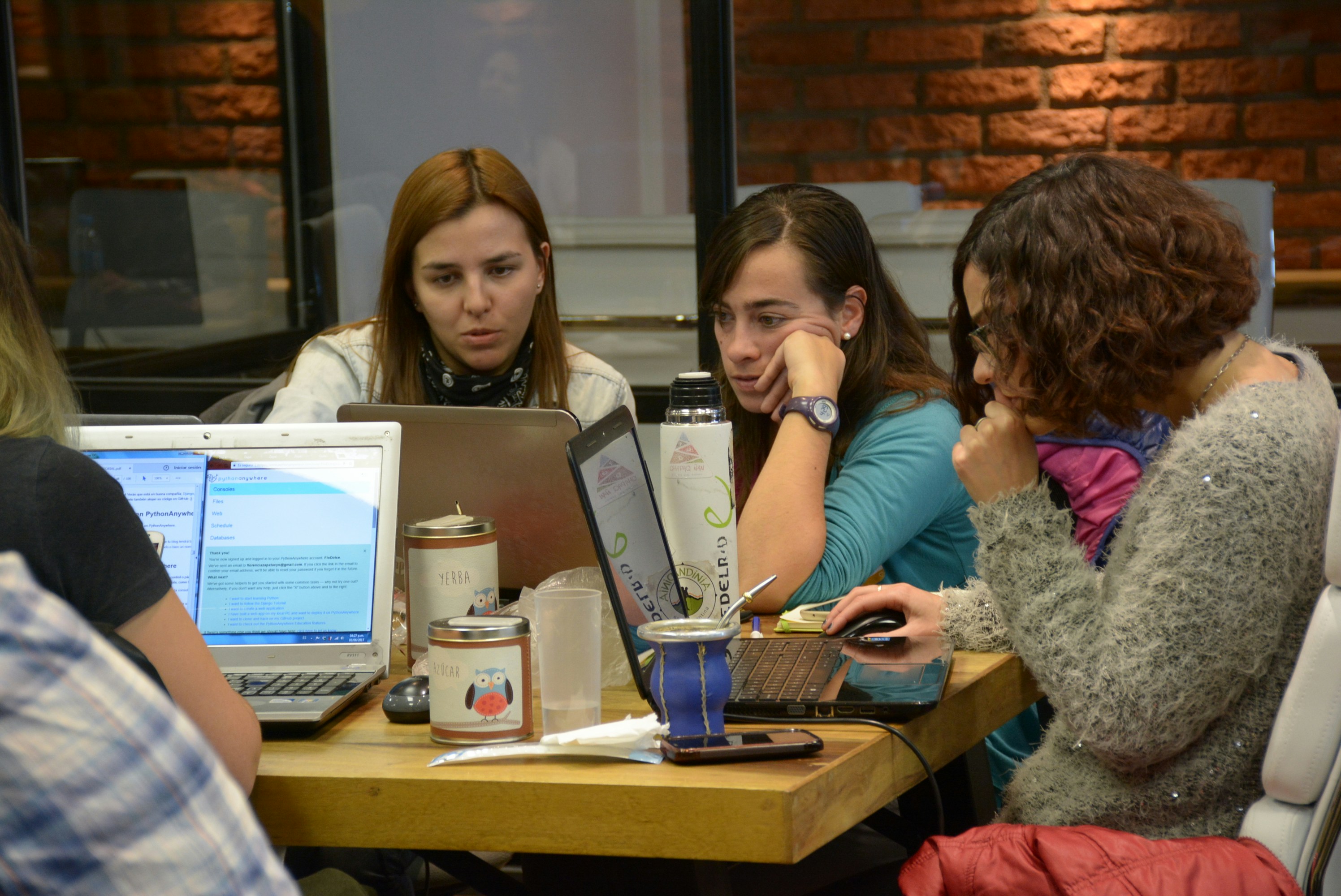
Mobilising action-research methodologies to develop heritage stewardship and foster community engagement, while also supporting communities in becoming active stakeholders and facilitating continuous dialogue among diverse participants
Argument
Participatory heritage research, grounded in action-research methodologies, is a powerful approach to fostering community engagement and promoting inclusive heritage stewardship. By involving local communities directly in processes such as mapping, documentation, and knowledge sharing, this method ensures that heritage practices reflect diverse voices and lived experiences. It supports communities in becoming active contributors, encouraging ownership and long-term commitment to heritage preservation. Through tools like collaborative mapping and oral history collection, participants co-create knowledge and identify valuable resources, both tangible and intangible, that may otherwise be overlooked. This continuous dialogue among stakeholders not only enriches the understanding of local heritage but also builds stronger social ties and more resilient, culturally aware communities.
Practical applications
Participatory heritage research is being advanced through the COUDRIER research project, which has developed an online platform providing a detailed map of water-related heritage, information and infrastructure. This collaborative digital tool enables communities to contribute knowledge, explore local water systems, and engage with heritage in an accessible and interactive way.
Collaborative mapping of historical irrigated lands plays a crucial role in making productive spaces and the communities that manage them more visible, preserving and showcasing their cultural significance. To date, 585 irrigation ditches have been digitised and 834 irrigation areas have been located (e.g., regadiohistorico.es). Additionally, participatory heritage research incorporates local skills, professions, gastronomy, family heritage (photos, archives, stories, etc.), and mental mapping, allowing communities to actively preserve and share their cultural heritage.
Martín Civantos, J. M., Toscano, M., Bonet García, M. T., & Correa Jiménez, E. (2022). Un mapa colaborativo para documentar y difundir los sistemas de regadíos históricos de Granada y Almería. PH: Boletín del Instituto Andaluz del Patrimonio Histórico, 30(105), 12-14.
Participatory research and documentation of local knowledge and heritage, such as collecting the surviving memories, oral traditions, and practices of elderly Vlachs, helps safeguard forgotten cultures while offering valuable time-tested insights to address both local and global challenges, including today’s environmental issues.
Serjani, E., & Miti, A. (2024). Experimental reconstruction, cultural memory and cultural tourism: Vlach minority heritage in the Upper Vjosa Valley, Southern Albania. In K. J. Borowiecki, A. Fresa, & J. M. Martín Civantos, Innovative Cultural Tourism in European Peripheries (1st ed., pp. 225–241). Routledge. https://doi.org/10.4324/9781003422952-14
Participatory research in heritage enhancement and documentation involves collaboration between researchers and representatives of the Roma Social Cooperative to plan and execute activities. Master students contribute to a special seminar, researching various themes alongside the youth of Tomor. The seminar will culminate in a workshop, where findings related to the gastronomic, musical, and family heritage of the Roma community will be presented.
György, E., & Oláh, G. (2018). The creation of resilient Roma cultural heritage. Case study of a bottom-up initiative from North-Eastern Hungary. Socio.Hu, Special Issue, 37–50. https://doi.org/10.18030/socio.hu.2018en.31
Havasi, V. (2012). Community Development Initiatives in Peripheral Rural Territories of Borsod-Abaúj-Zemplén County. In J. Pénzes & Z. Radics (Eds.), Roma population on the peripheries of the Visegrad countries: Spatial trends and social challenges (pp. 188–205). Didakt.
A grassroots survey dataset of historic graveyards across Ireland forms the foundation for a community-driven genealogical tourism resource, with over 900 sites surveyed and shared online since 2010 through collaboration with local communities. Each site includes geolocated headstone photographs, inscriptions, and biographical details, supporting a strong diaspora tourism network grounded in local knowledge and identity. As part of a proposed National Trail, communities are encouraged to create their own tour guides, for both the graveyard and surrounding parish, ensuring that the narratives reflect the unique voice and character of each area, with professionals serving only in a supportive role.
In the Mendrisio region, the project focuses on documenting and promoting the Processioni Storiche, a vital element of intangible heritage, through dedicated photographic records that link these historic rituals to the broader cultural context of Monte San Giorgio. At Riva San Vitale, it also explores the centuries-old veneration of Blessed Manfredo Settala and his processional routes. A broader visual storytelling initiative, led by heritage photographer Heinz Plenge, captures the mountain’s layered identity by documenting its flora, medicinal plants, wildlife, and spiritual significance, interweaving natural and cultural heritage into a cohesive, multi-dimensional narrative.