Since 2021, in the frame of Incultum and then SECreTOUR programmes, the REMPART Federation Bourgogne-Franche-Comté, Bibracte, and the villages of the Grand Site de France have organized Heritage and Landscape worksites. These initiatives contribute to the preservation of the 1,100 km of rural paths within the Grand Site de France Bibracte–Morvan des Sommets and to the wider enhancement of hiking routes.
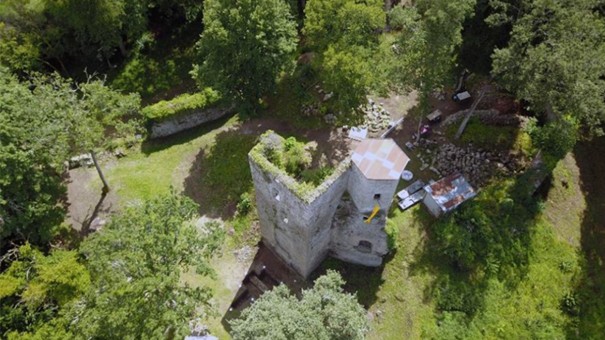
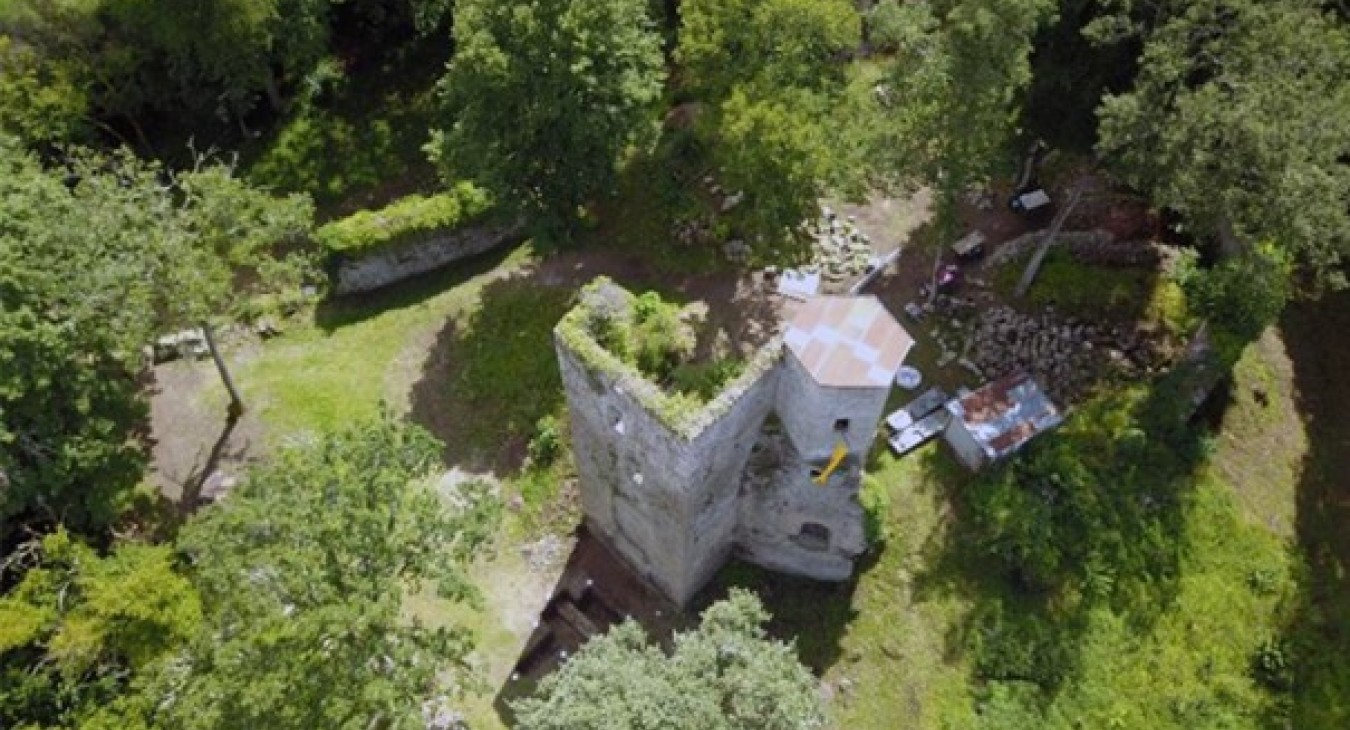
Situated midway between Bibracte and Autun, the small medieval fortified castle of Vautheau stands on the edge of a forest in the commune of La Grande-Verrière. This lordly residence is first recorded in 1209, with its principal remains dating from the 13th to the 16th centuries. The site shows evidence of multiple modifications and restorations, particularly in the last quarter of the 14th century and around 1500. The castle was reportedly severely damaged in 1592 during the Wars of Religion. After further restoration, it entered a period of decline from the late 17th century, leading to its ruin. Since 2016, the association Renaissance du château de Vautheau has been dedicated to its preservation, enhancement, and animation, while several researchers and archaeologists have undertaken scientific studies of the site.
Planned Restoration Work
In 2025, with the support of the Bibracte team, the association joined the Rempart Federation to organize a consolidation worksite focused on the polygonal enclosure that once surrounded the castle’s upper courtyard. Participants will learn and apply traditional construction methods. Before the worksite begins, vegetation covering the enclosure will be cleared to facilitate photogrammetric surveys and architectural studies. This restoration project encourages interaction among volunteers and offers immersion into the daily activities of an association committed to restoring a medieval castle—a type of heritage rarely highlighted in southern Morvan.
Additionally, a half-day forest work session is scheduled with the Chemins association to replant 17th-century forest boundary markers dating from Colbert’s Eaux-et-Forêts reforms.
Other Activities During the Stay
Beyond the restoration efforts, the two-week program will provide opportunities to meet researchers—including archaeologists and historians —focused on the Château de Vautheau and landscape changes within the southern Morvan region. This area falls within the Grand Site de France Bibracte–Morvan des Sommets, encompassing about a dozen communes around the classified sites of Mont Préneley and Mont Beuvray, the latter being the protohistoric site of Bibracte, the former capital of the Aedui.
Collaboration between the SECreTOUR Bibracte research team and the Vautheau association will facilitate encounters with scholars and professionals involved in projects aimed at knowledge acquisition and rural development grounded in cultural and natural heritage. Through field visits, participants will explore the long-term history and archaeology of rural landscapes, including tools such as LiDAR technology and paleoenvironmental archives. This broader geographic perspective introduces vernacular activities reflective of known regional trajectories, providing a valuable framework for understanding heritage and environmental challenges in a mid-mountain rural setting.
This 2025 program is made possible thanks to funding from the French State and the European Horizon Europe program, through the SECreTOUR programme.