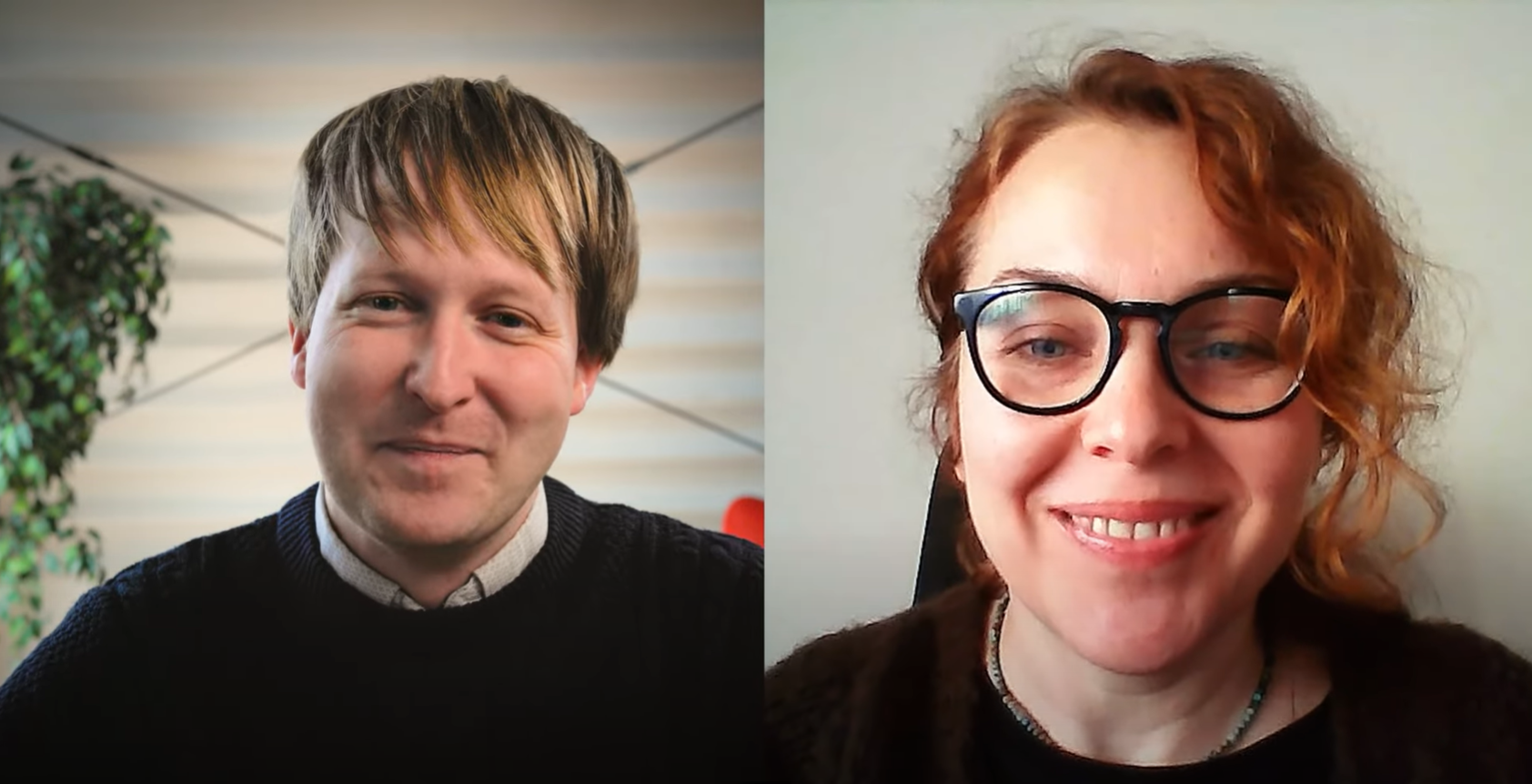
Listen to an interview by Matevz Straus with Egla Serjani, one of the SECreTour project partners.
https://youtu.be/c4fxPt58mZs?si=_G0lKuYLaNLSiUe9
Egla outlines the importance of the Vlach community, who are based in a number of village centred around Permet. One of main activities of the pilot constitutes the documentation, survey and revival of the transhumance routes in the valley as a cultural tourist trail. CeRPHAAL are working with the elderly the memory keepers, and the young to foster a sense of belonging and protecting the historical Upper Vjosa Valley and with the local authorities on creating a digital platform to integrate into cultural tourism.
Transcript
Mateuz 0:09
This is another episode in a series of short videos that we are having with our pilot partners. My name is Matej Strauss, and today here with me is Egla Serjani. Egla is an archaeologist and the manager of CERPHAAL from Albania, and is also in charge of one of the pilots that we are running in the Upper Vjosa valley.
Egla, hi, hello,
Egla 0:32
hello, Mateus, hi,
Mateuz 0:36
maybe if we begin with a presentation of the Upper Vjosa valley and the challenges that you're dealing with in this project.
Egla 0:44
Yeah, well, the Upper Vjosa valley is situated in southeast Albania, and it is a predominantly rural territory, with village communities centred around the small historical town of permit, this mountainous region has historically been home to the Vlachs or Aromanians, as they refer to themselves, who are who are minority group distinguished by their Romance language and by their way of living, which for some of them was primarily based on pastoral transhumance. Unfortunately, the rapid transformation of the rural society, increased migration, as well as the long term absorption by the local majority, have undermined the survival of Vlach Heritage, a heritage which has been deeply intertwined with the territory and the other communities of the valley. And it is our intention during the SECreTour project, to highlight this forgotten heritage and local knowledge and traditions tied to Vlach past and to integrate them into the tourism, a tourism which remains mainly a fragmented and a nature-based type of tourism that that fails to capture the complexity of the historical landscape of of this region.
Mateuz 2:27
In the SECreTour project, we are specifically talking about heritage communities. Can you elaborate a bit? What is a heritage community in your case?
Egla 2:38
Yes, of course, the communities we work with are mainly the Vlach, but not only we, we are also working with other members of the community. Among them, a particular group are the the elderly, as they preserve valuable information about their their past traditions and practices, particularly including those related to the the use and care of the territory, because they were, if we may put it in this way, they were the guardians of their landscape. We think of building bridges between generations and and transmitting knowledge. And for this, we also work with young young people, focusing on capacity building and raising awareness about cultural heritage protection in the context of increasing tourism and climate change, and foster, among them, a sense of belonging to this territory, to the Vjosa valley, and involvement in heritage protection. We also, of course, we also work and collaborate with other local actors and stakeholders, mainly those involved in the tourism sector.
Mateuz 4:08
Interesting. So what are the main activities of the project?
Egla 4:14
Well as I mentioned, our main aim in the project is to document and revive past and forgotten traditions related to to Vlach heritage, and one such tradition is the seasonal transhumance route. This is a route which has long been part of larger public network connecting the traditional villages of the area. And the idea is to survey, to design and narrate these routes, creating culture touristic trails that follow on these historical itineraries. It is also essential that we provide an online accessibility for this, for these trails, for promoting these trails, and we plan to do this together with the local municipality, because in this way we can, we can guarantee its future, improvement and maintenance. Other activities we intend to organise include training sessions and disseminations activity involving local actors, specifically those engaged in the tourism in the industry, with the idea of sharing knowledge and improving their understanding of the of the complexity of the historical landscape of the Vjosa valley.
Mateuz 5:51
So looking beyond the scope of the SECreTour project, how do you see the future? What is your vision for the Upper Vjosa Valley?
Egla 6:02
Well, first of all, we hope this project will help secure some public and institutional recognition for the forgotten heritage of the Vlach minority. But it is equally important that we manage to encourage appreciation and respect for the cultural diversity of this landscape, and that people, especially the younger generation, understand it is very important that they understand that by caring the territory today, it will, in turn, be able to support future generations to come.
Mateuz 6:46
Very noble goals. I wish you all the best in your activities. Of course, we will follow up on your pilot project and update our viewers on your activities. So thank you, Egla for this call and again. Wishing you all the best.
Egla 7:08
Thank you very much. It was a pleasure. Thank you, bye.
______________________________________________________________
See more on the Albania pilot https://secretourproject.eu/pilots/heritage-vlach-ethnolinguistic-minority